Metric
Heating performance coefficient
- Value
- 1.38W/W
- Condition
- 25°C ambient, 250m³/h airflow, 150°C setpoint
- Why it matters
- Measured in an accredited lab and suitable for procurement evidence.
From purchasable heating sheets and warm-care products to scenario-trained vision models, Runxintian helps customers bring safety, occupational health, and operational efficiency into real sites.
Bandgap heating solves warm-care, cold protection, and product development needs; custom AI vision solves fire alerts, inspection, maturity grading, and safety behavior recognition.
Buyers can validate efficiency, flex durability, water resistance, low voltage, and battery safety before extending the platform into knee supports, vests, insoles, waist supports, and more.
Wearable thermal protection for fisheries, oil fields, forestry, and cold-chain environments.
Solid-state batteries, low-voltage power, NTC control, and anti-scald logic create a safer foundation.
Six products cover industrial workers, outdoor users, and senior-care scenarios.
Beyond standardized VisionFire, the service supports apple ripeness, pinecone maturity, industrial defects, safety behavior, and other custom target recognition.
Models are tuned to customer risk sources, camera perspectives, and false-positive patterns.
Supports non-intrusive access, edge deployment, private servers, or API integration.
Quarterly reviews prevent the model from drifting away from real operations.
All metrics include conditions or context notes
Every metric includes conditions, deployment context, or a business explanation to support procurement and compliance review.
| Metric | Value | Condition | Why it matters |
|---|---|---|---|
| Heating performance coefficient | 1.38W/W | 25°C ambient, 250m³/h airflow, 150°C setpoint | Measured in an accredited lab and suitable for procurement evidence. |
| Bending durability | 1,000,000+ cycles | Lab flex-life testing | Well beyond traditional wire-based solutions for repeated wear and folding. |
| Temperature control | 38-42°C constant heat with ±1°C precision | NTC precision sensing | Safer for seniors and extended wear by reducing overheating risk. |
| Far-infrared care | Supported | Verified by spectral analysis | Adds comfort-care value alongside thermal performance. |
| Waterproof rating | IPX7 | Sealed structure | Suitable for fisheries, cold-chain operations, and wet environments. |
| Battery safety | Solid-state battery, impact resistant | Impact and thermal-runaway testing | Reduces combustion risk at the source for enterprise buyers. |
| Cold-weather operation | Operates at -20°C | Low-temperature discharge testing | Supports extreme winter outdoor work. |
| Low-voltage safety design | 5V low-voltage power, far below the 36V human-safety threshold | Product safety design note | Makes anti-scald, low-voltage, and timer protection explicit for buyers. |
| Metric | Value | Condition | Why it matters |
|---|---|---|---|
| Fire recognition accuracy | 96.8% | Based on current training and validation records | Communicates capability under current sample conditions, not an unconditional guarantee for every site. |
| False alarm rate | <3% | Tuned separately for chemical plants, charging sites, and small premises | Presented as a scene-tuning target that still requires review against real camera angles, lighting, and interference. |
| Alert response time | Real-time / near-real-time | Real-time or near-real-time modes | Response mode depends on site network, edge nodes, and deployment form. |
| Lead time | Project-record based | Requires confirmation through real-scenario review | Prevents demo or sample conclusions from becoming formal site promises. |
| Model update cadence | Quarterly updates | Updated based on business and model changes | Moves from one-off delivery to ongoing capability growth. |
| Deployment modes | Non-intrusive / edge / private / API | Supports offline training and local deployment | Balances security, IT fit, and rollout speed. |
| Custom use cases | Apple ripeness / Pinecone maturity / Industrial defects / Safety behavior | Self-supervised Learning & Few-shot Object Detection | Enables rapid cold-start with minimal samples, reducing training cycles and data costs. |
Wearable thermal products cover six warming SKUs that can be selected by role, audience, and channel.

Far-infrared heat and flexible support for cold-weather work and senior joint comfort.
A 360° thermal layer for the torso, designed for cold industrial work and winter activity.
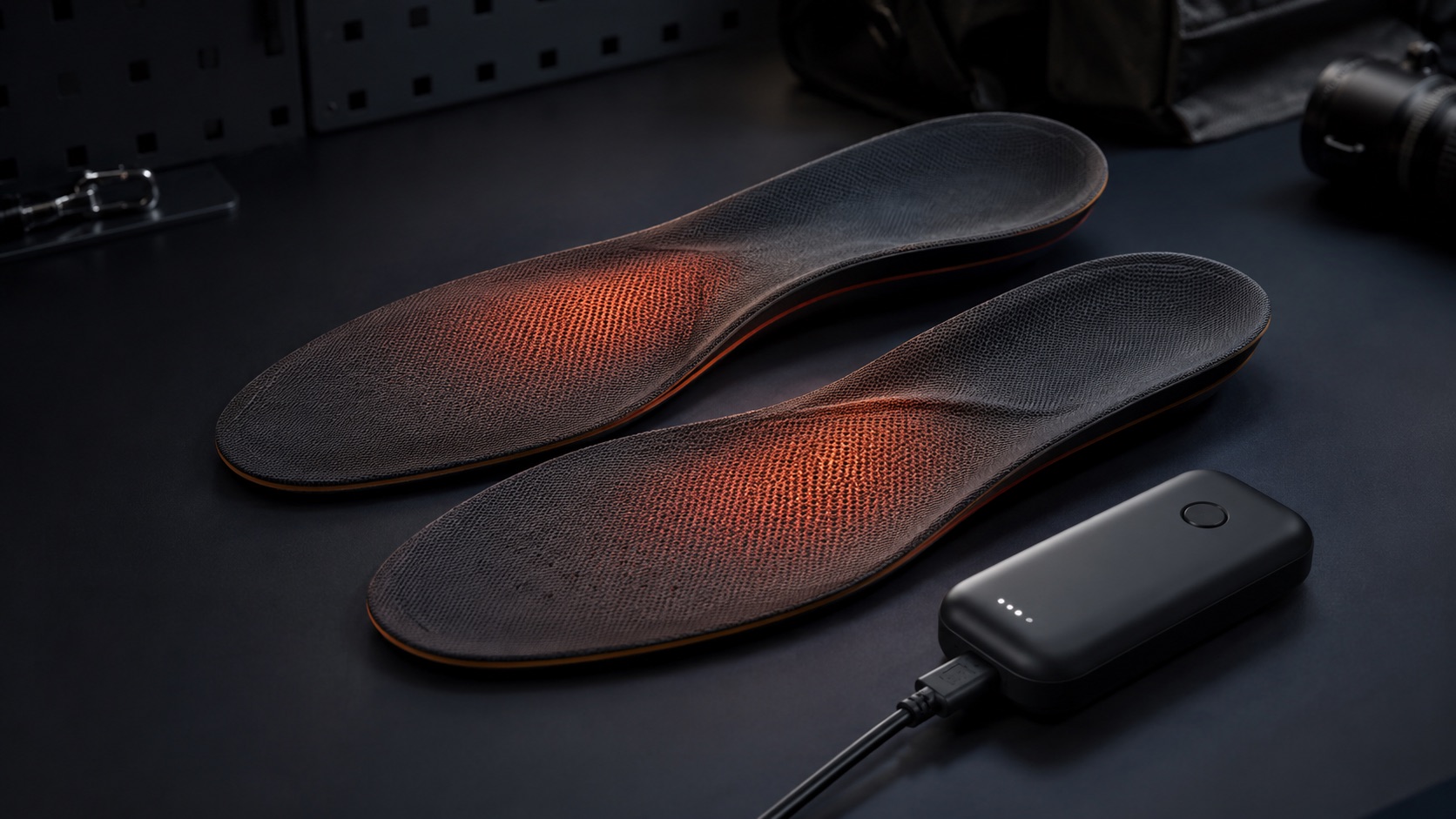
An insole-core thermal management system delivering 42°C constant warmth and 12+ hours of runtime at 0°C.
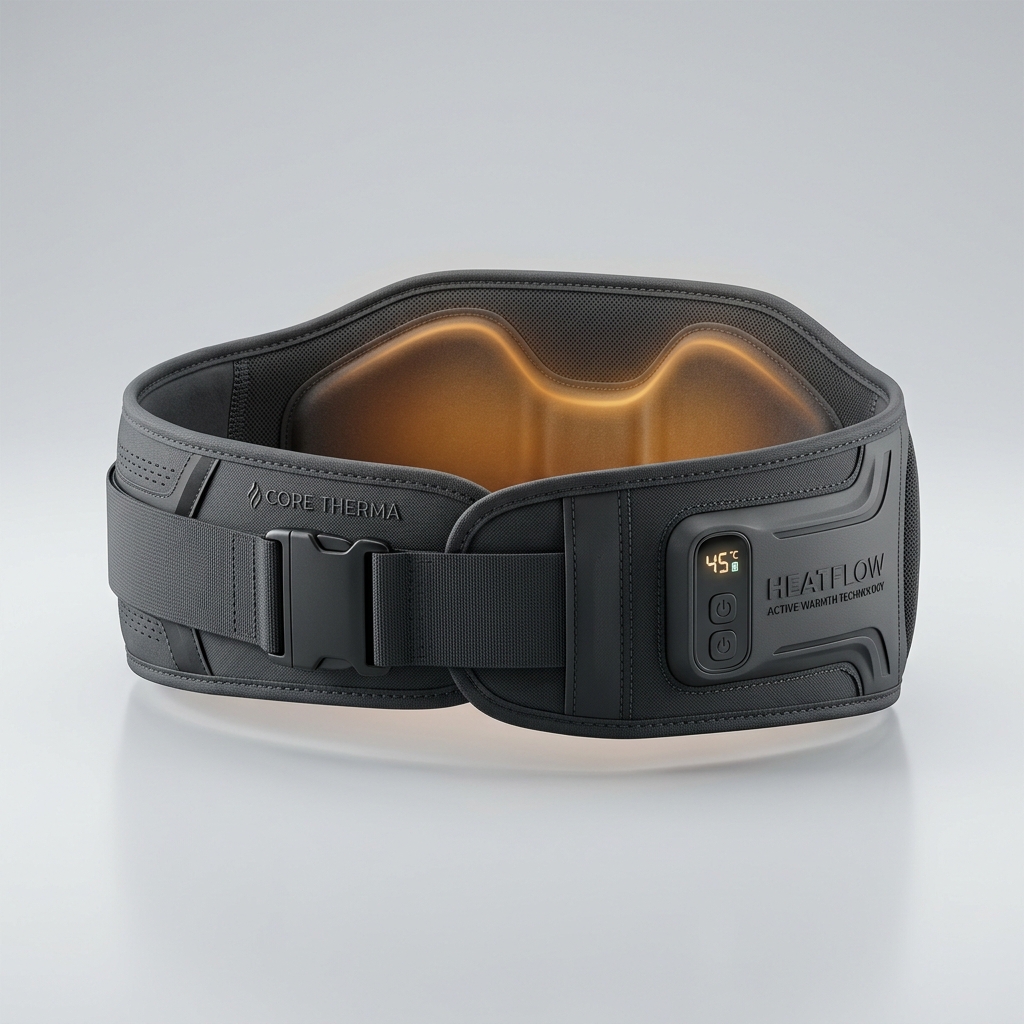
A waist-focused thermal support for sedentary work, heavy labor, and recovery use.
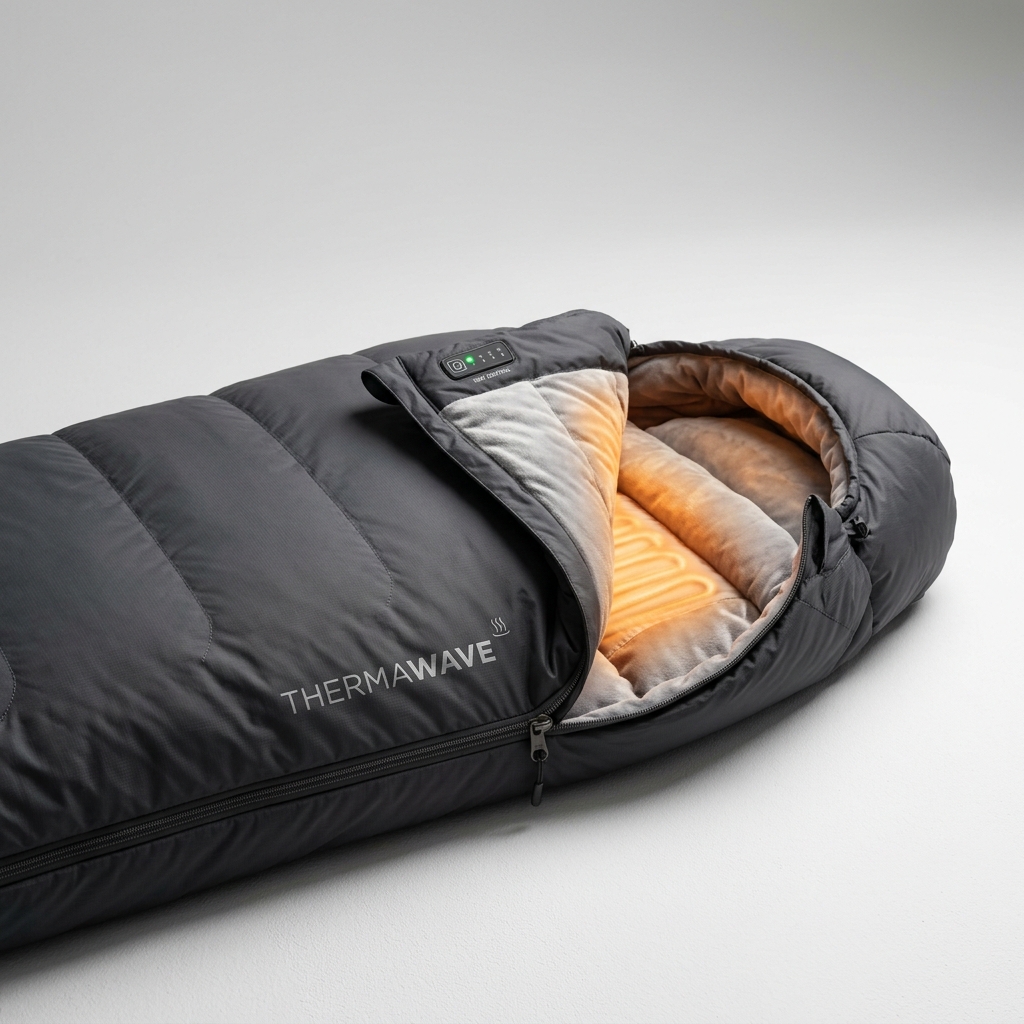
A lightweight heated sleeping bag for camping, emergency response, and overnight home warmth.
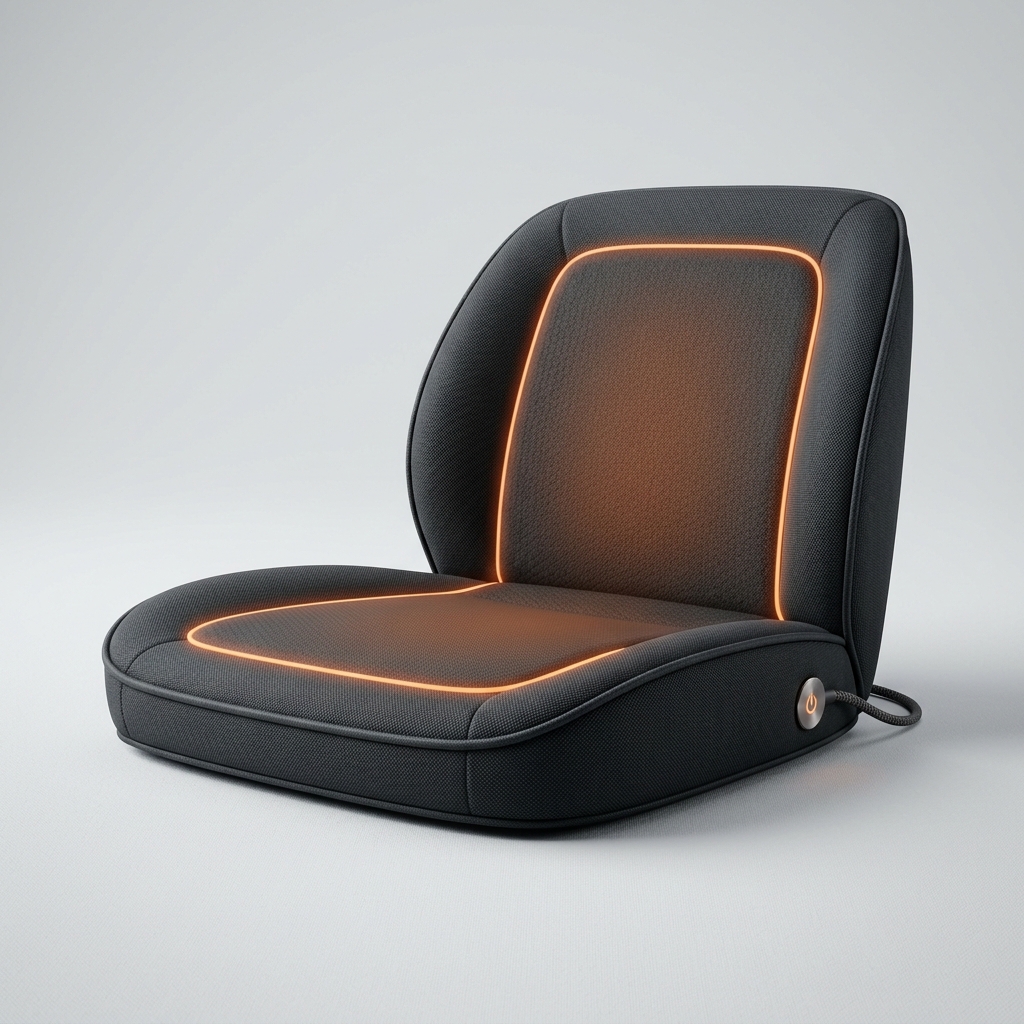
A portable, detachable, solid-state battery cushion for wheelchairs, home care, and outdoor rest.
The standardized fire-monitoring offer makes AI value easy to assess, then expands into defects, maturity grading, and safety behavior recognition.
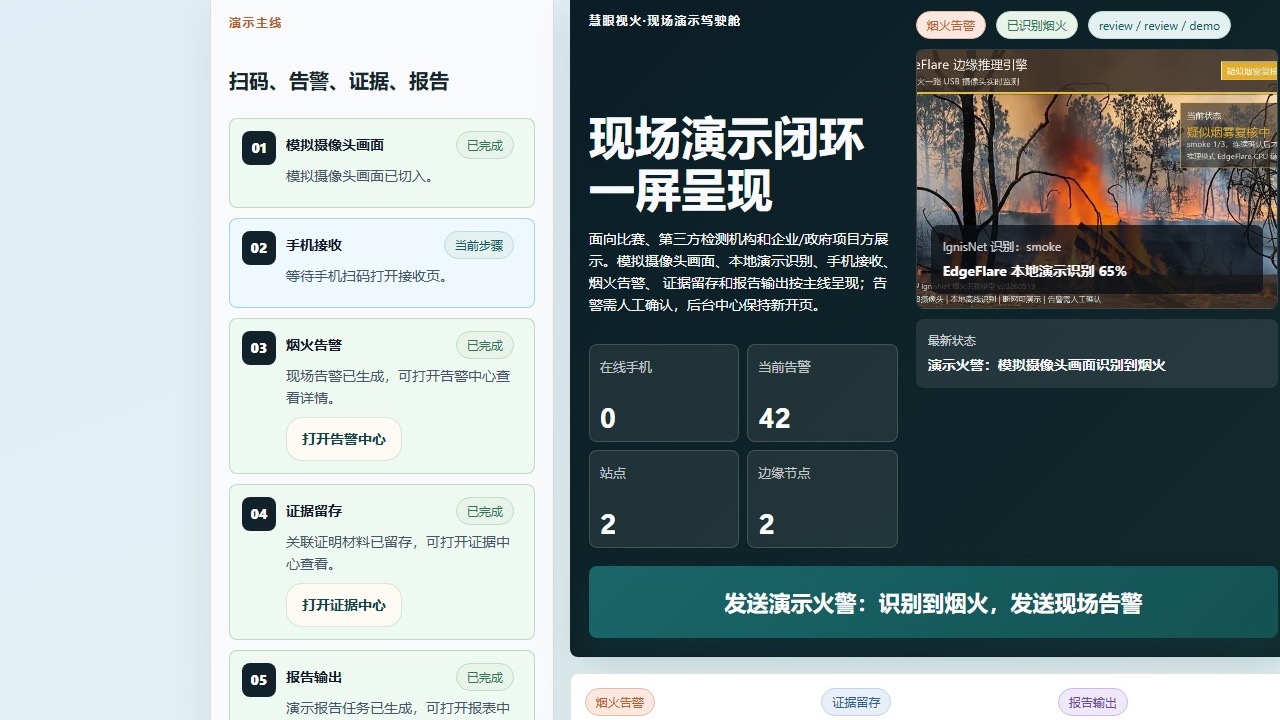
Connect camera intake, fire-smoke recognition, alert delivery, response records, evidence archive, and reporting into one traceable duty workflow.
Connect existing cameras, streams, or edge nodes with minimal site changes.
Recognize suspected smoke, flame, and critical-zone anomalies with sample-condition notes.
Send risk alerts to the console and duty channel instead of stopping at detection.
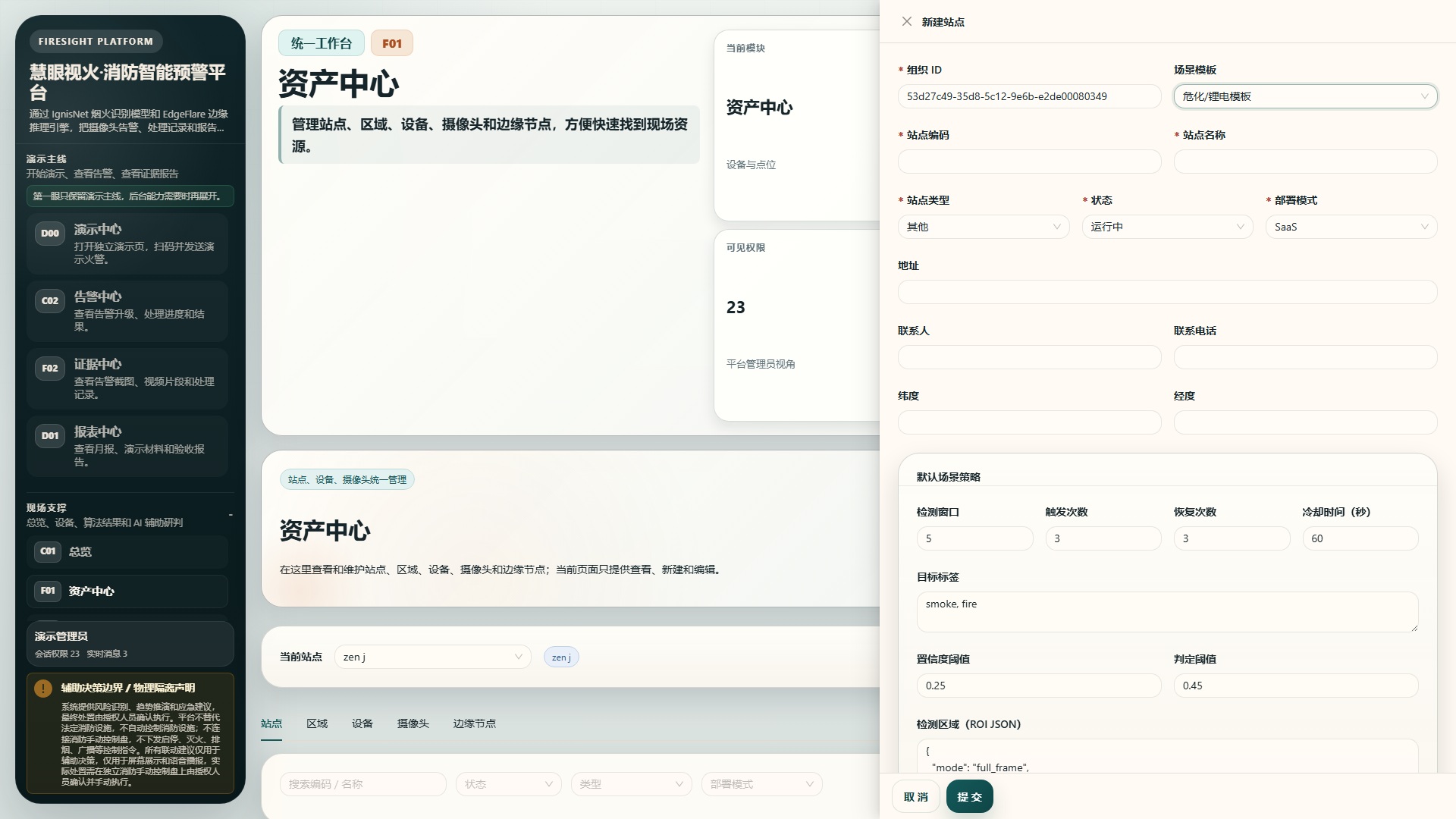
Specialized negative-sample training addresses steam, welding glare, and complex heat sources to reduce false alarms in high-risk plants.
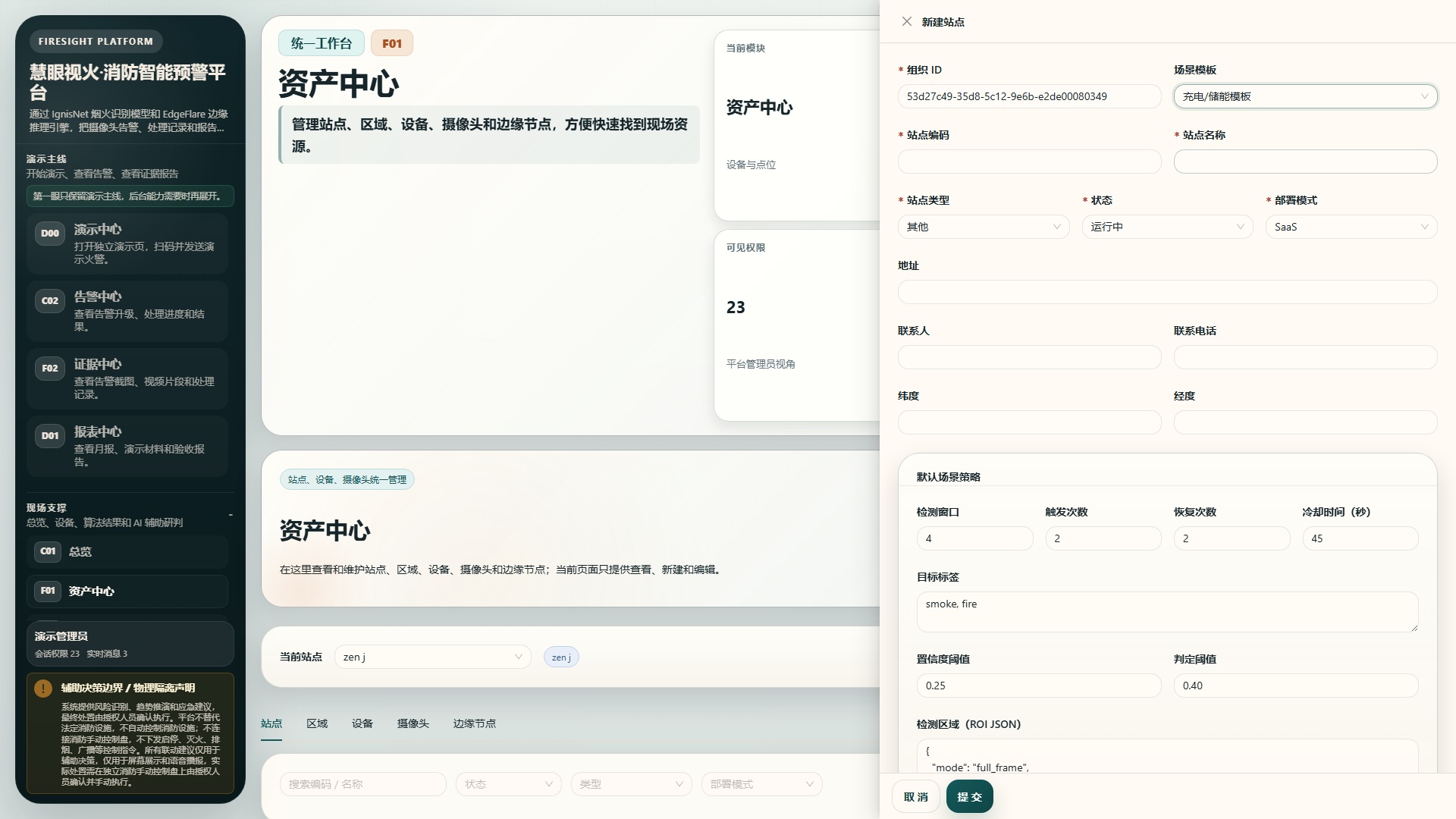
Focuses on early thermal runaway warnings and headlight suppression for more reliable station-level monitoring.
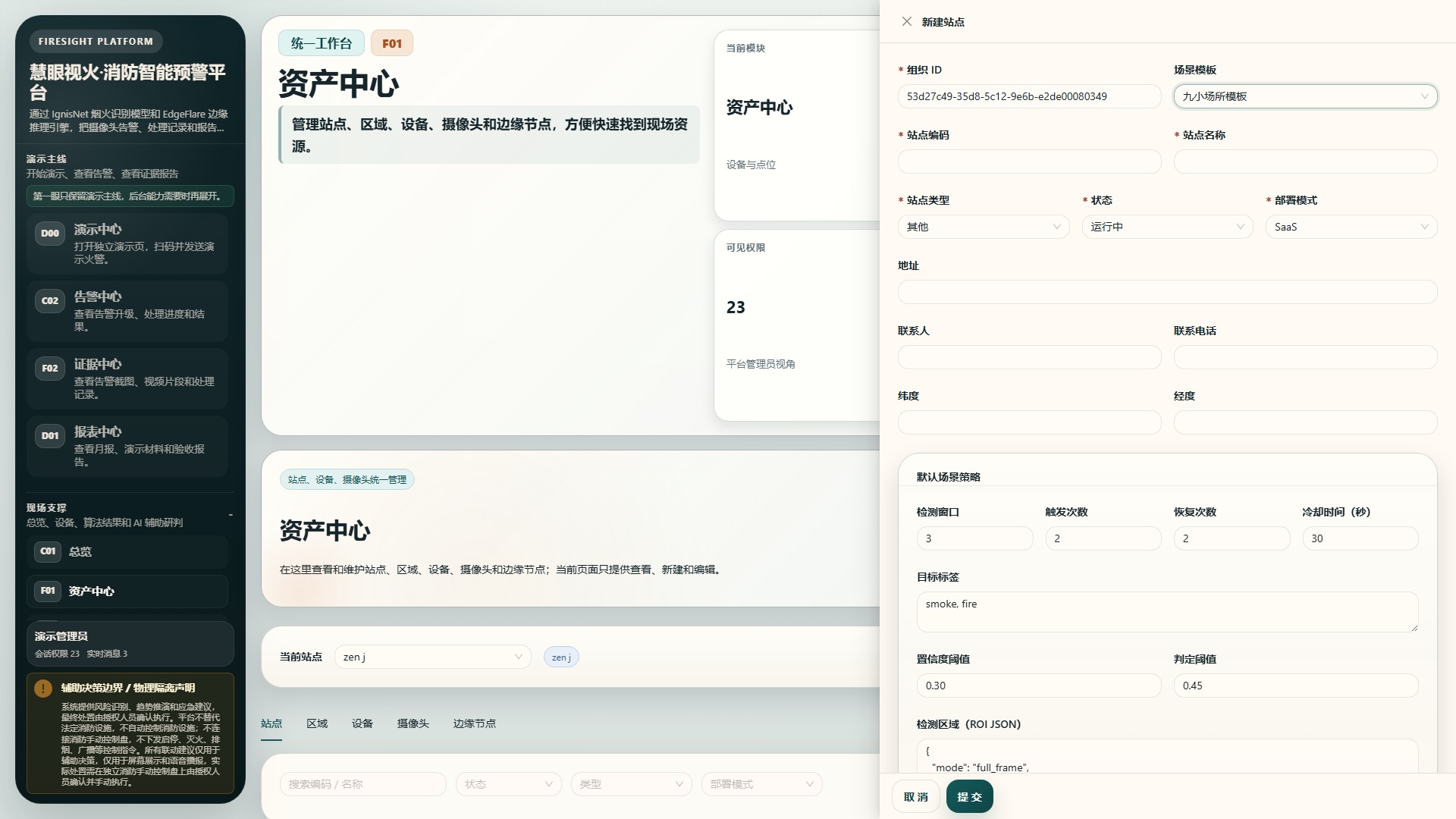
For workshops, timber sites, and small shops where budgets are tight but risk remains real, with an emphasis on affordable deployment.
Our standardized delivery framework and technical support ensure your customized AI algorithm is deployed rapidly and reliably.
Clarify industry, risk points, camera conditions, and target outputs to decide between standardized products and custom modeling.
Work with the customer to complete the dataset, especially around false-positive triggers and high-risk targets.
Tune accuracy, false alarms, and inference latency in iterative validation rounds.
Deploy on private servers, edge nodes, or integrate through APIs.
Continue improving models and alert thresholds based on field feedback and scenario changes.
Proven track records across fire monitoring, occupational health gear, and custom industrial QA, with fully transparent results.
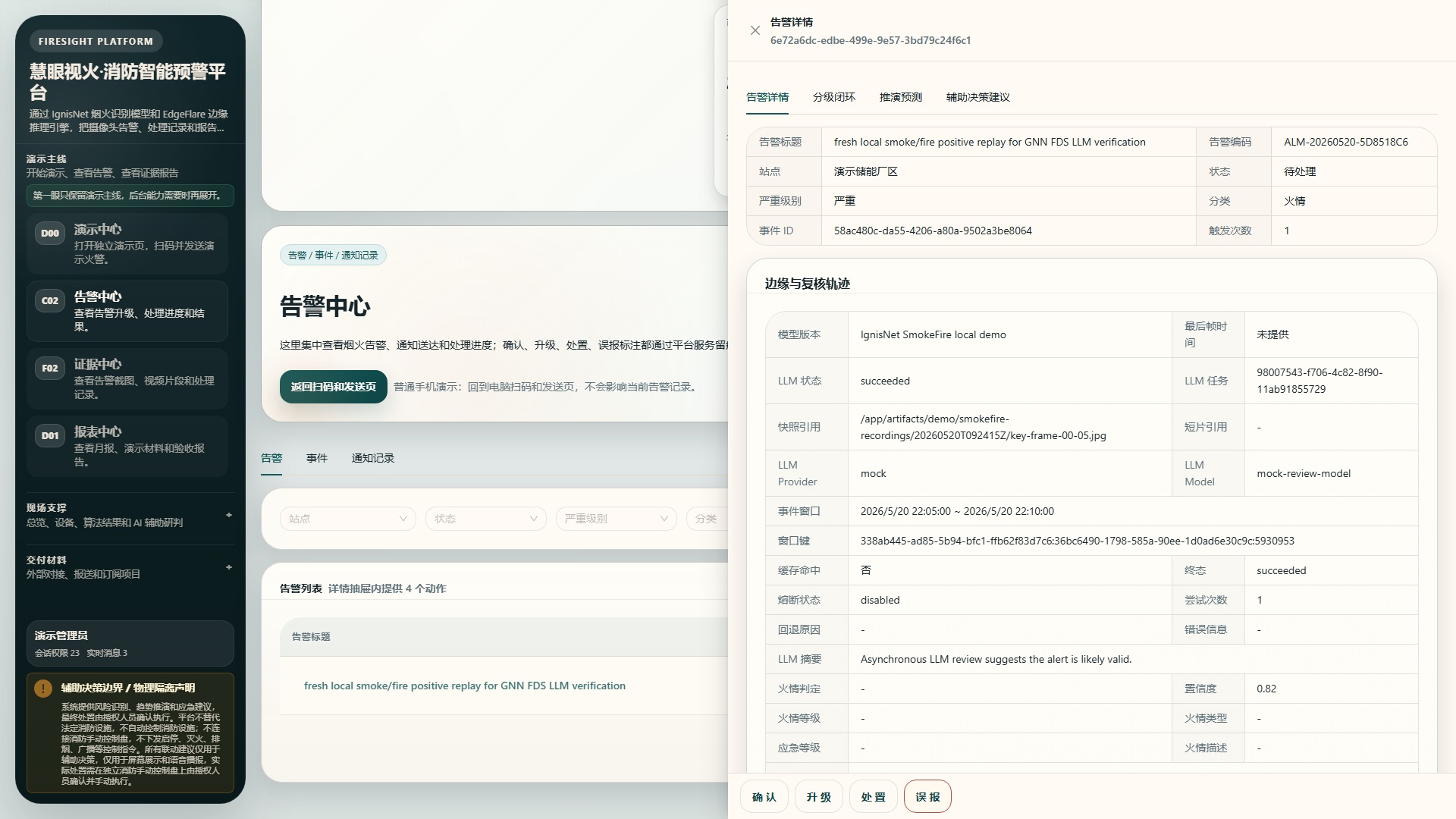
Pain point: A previous AI system produced nearly 30% false alarms and frequent shutdown checks.
Solution: Deployed VisionFire with dedicated negative training for steam and welding glare.
Outcome: Project review records show scene tuning reduced false alarms below 3% and produced safety-review materials.
Full customer name is withheld by request; verification materials can be provided offline.
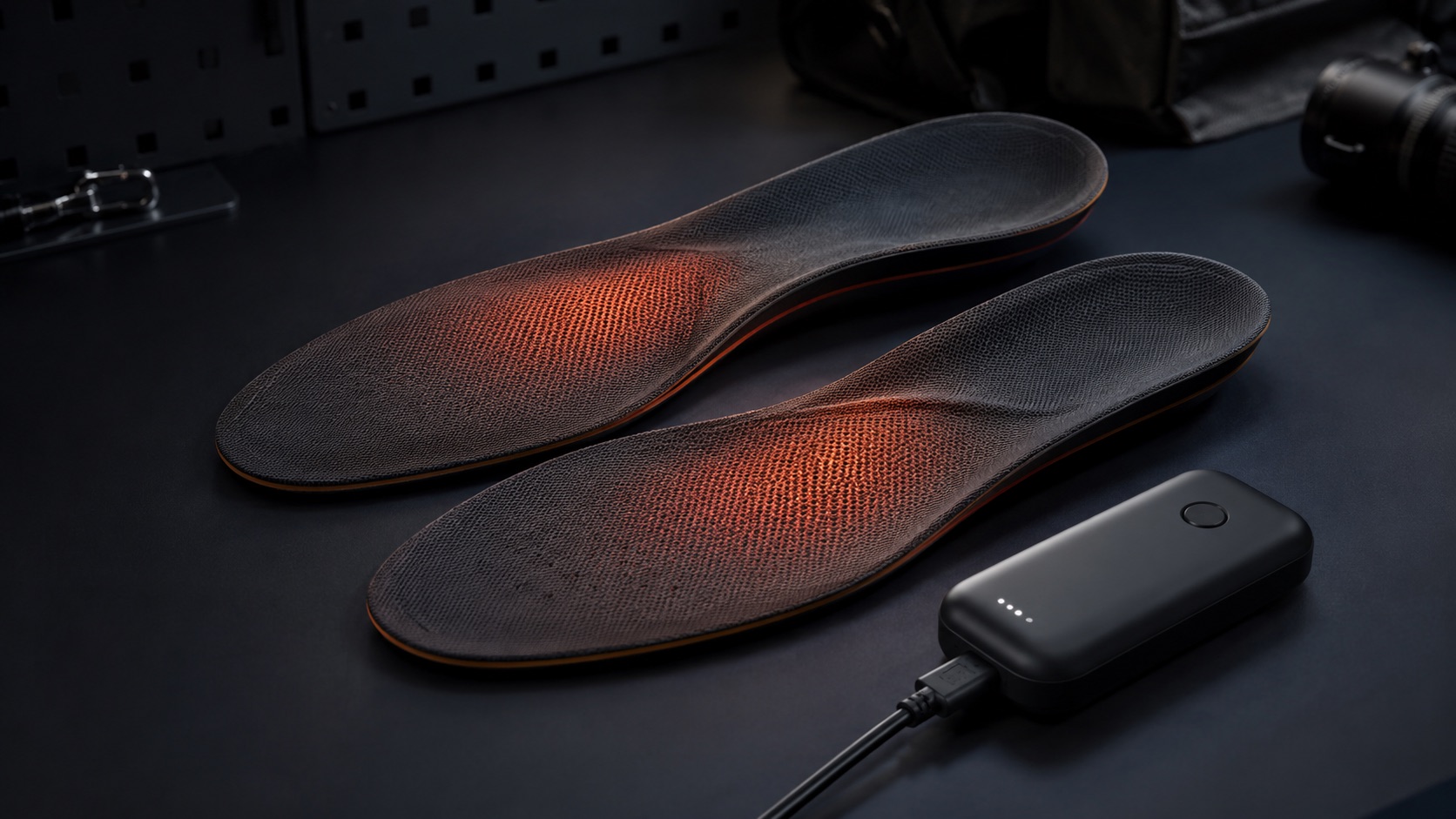
Pain point: Wet cold decks caused a high frost-risk rate and traditional warm gear performed poorly in moisture.
Solution: Provided a 42°C heated insole and heated vest bundle for deck and shift use.
Outcome: Project feedback records show frost-related incidents dropped by 76%, with improved comfort during prolonged wet-cold shifts.
Full customer name is withheld by request; scenario proof can be provided offline.
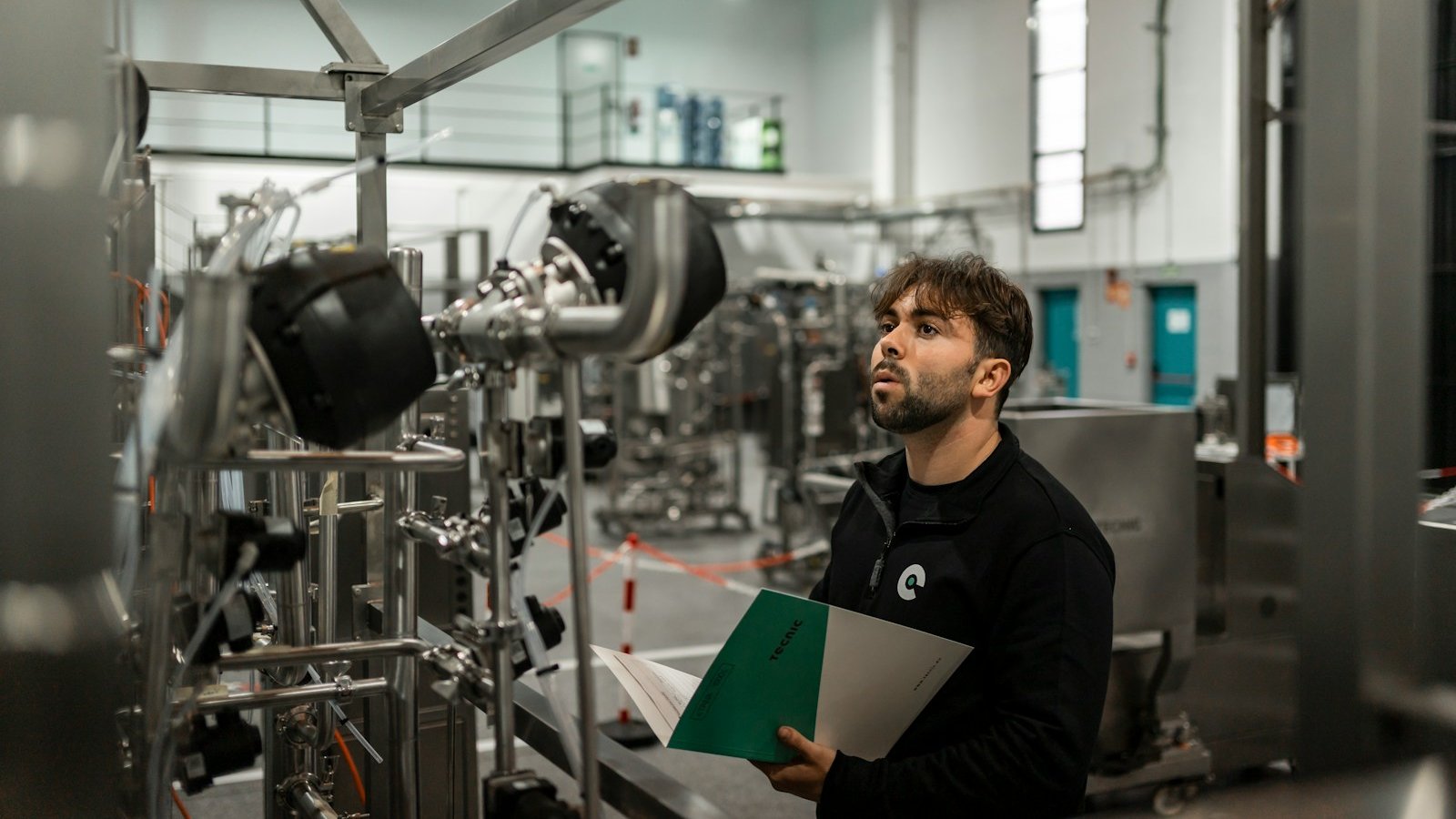
Pain point: Manual inspection was slow, inconsistent, and missed defects.
Solution: Delivered a custom defect-detection model with quarterly iteration against new process changes.
Outcome: Pilot review records show inspection efficiency improved by about 300%, with missed defects down to 0.5%.
Full customer name is withheld by request; implementation proof can be provided offline.
The site prioritizes the business license, test reports, and product files. Patents, copyrights, and marketing files are not promoted without proof.
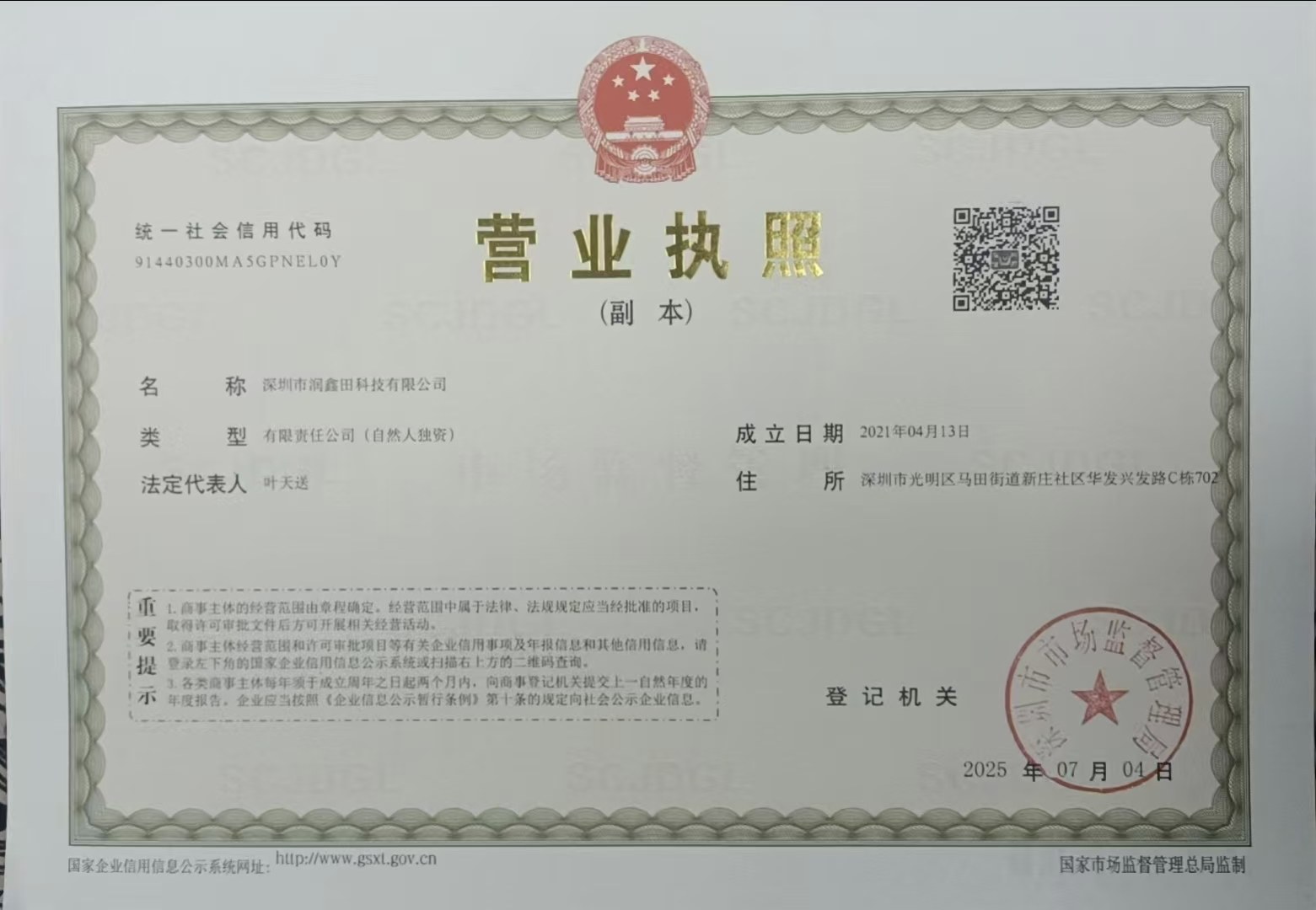
Legal identity fields are grouped on the About page. The homepage keeps the real license entry instead of large disconnected number cards.
This area shows currently connected public files and test evidence. CNAS and CMA references are stated as report or testing-organization evidence.