Scenario-specific training
Models are tuned to customer risk sources, camera perspectives, and false-positive patterns.
Customers provide targets, scenes, and samples; we handle data curation, model training, deployment, and quarterly iteration.
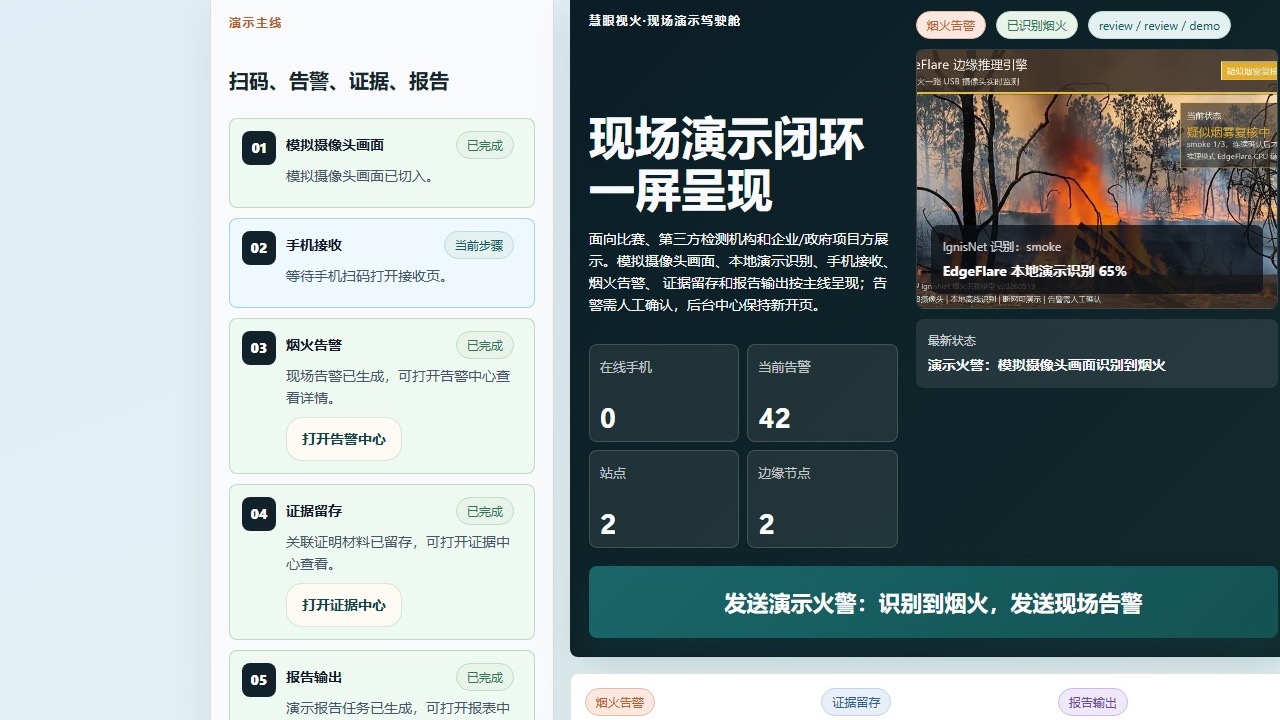
VisionFire is the standardized entry point; the core capability is turning customer-specific targets such as crop maturity, industrial defects, and safety behavior into deployable models.
Models are tuned to customer risk sources, camera perspectives, and false-positive patterns.
Supports non-intrusive access, edge deployment, private servers, or API integration.
Quarterly reviews prevent the model from drifting away from real operations.
From target definition to labeling, model cold start, field validation, private deployment, and quarterly updates, the framework makes custom delivery repeatable.
Define what to recognize, where it runs, who receives the output, and whether alerts, grading, or inspection results are required.
Structure positive samples, negative samples, hard cases, and false-positive triggers into trainable data.
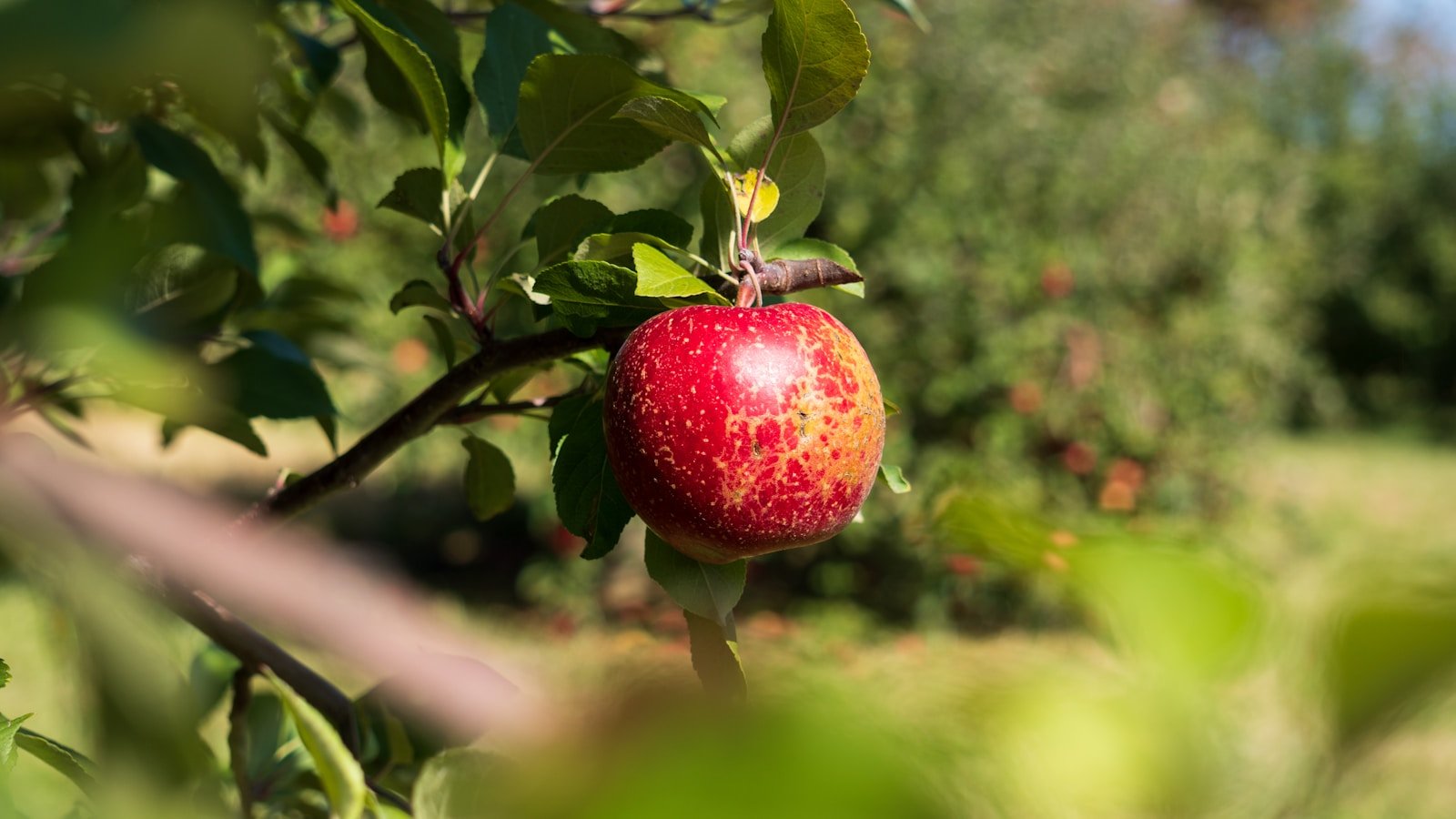
Use few-shot object detection to validate limited-sample cases such as apple ripeness and pinecone maturity.
Validate accuracy, false alarms, and inference latency under real lighting, occlusion, angle, and operating conditions.
Select private servers, edge nodes, or API integration based on data security, network conditions, and latency needs.
Feed new samples, false alarms, and business changes back into model management to keep recognition useful.
Each metric is tied to training conditions, usage context, or delivery value so customers can compare options and secure internal approval.
| Metric | Value | Condition | Why it matters |
|---|---|---|---|
| Fire recognition accuracy | 96.8% | Based on current training and validation records | Communicates capability under current sample conditions, not an unconditional guarantee for every site. |
| False alarm rate | <3% | Tuned separately for chemical plants, charging sites, and small premises | Presented as a scene-tuning target that still requires review against real camera angles, lighting, and interference. |
| Alert response time | Real-time / near-real-time | Real-time or near-real-time modes | Response mode depends on site network, edge nodes, and deployment form. |
| Lead time | Project-record based | Requires confirmation through real-scenario review | Prevents demo or sample conclusions from becoming formal site promises. |
| Model update cadence | Quarterly updates | Updated based on business and model changes | Moves from one-off delivery to ongoing capability growth. |
| Deployment modes | Non-intrusive / edge / private / API | Supports offline training and local deployment | Balances security, IT fit, and rollout speed. |
| Custom use cases | Apple ripeness / Pinecone maturity / Industrial defects / Safety behavior | Self-supervised Learning & Few-shot Object Detection | Enables rapid cold-start with minimal samples, reducing training cycles and data costs. |
Targeting high-risk zones like chemicals storage, EV charging docks, and micro-business areas, providing ready-to-use safety monitoring.
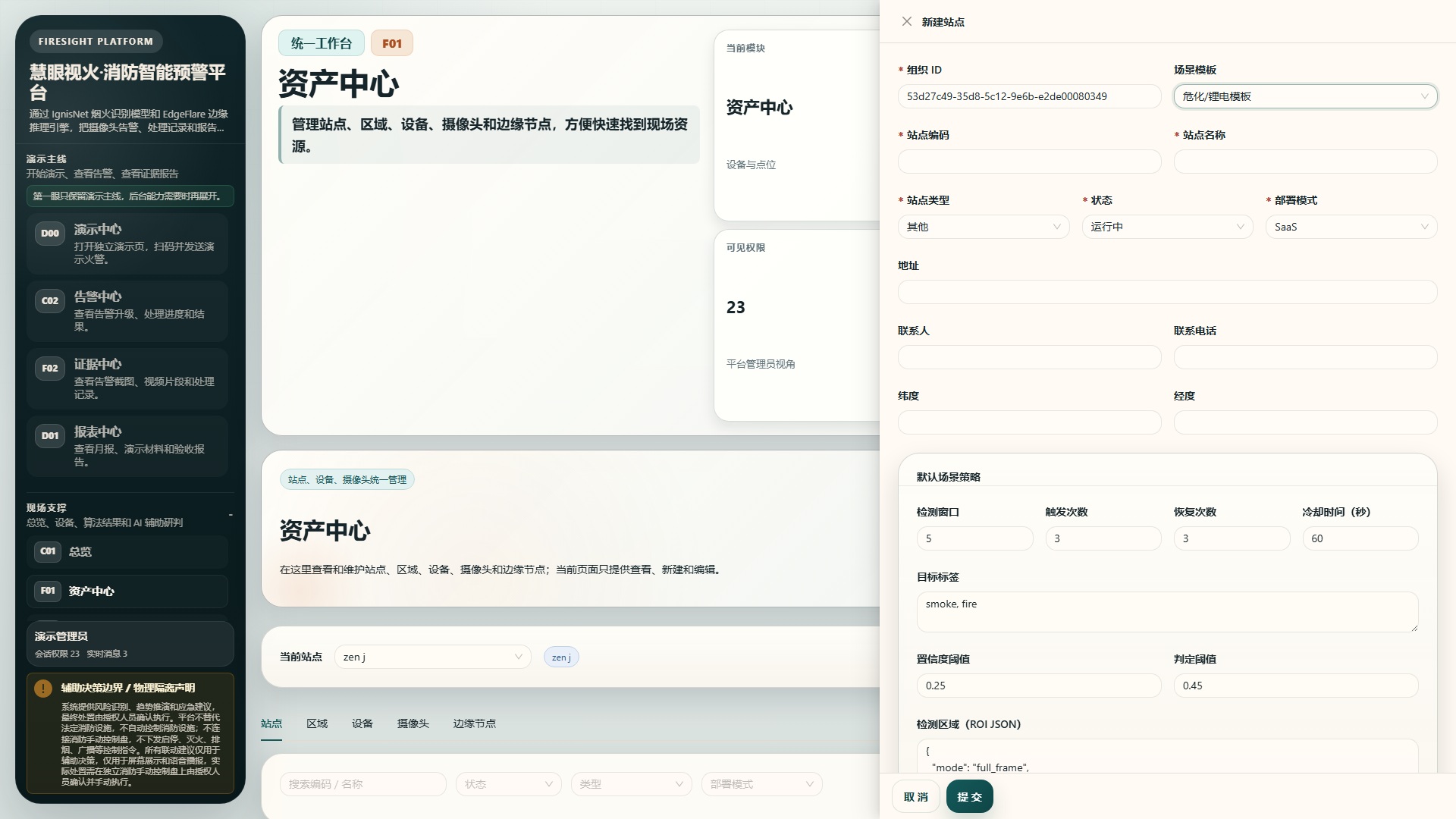
Specialized negative-sample training addresses steam, welding glare, and complex heat sources to reduce false alarms in high-risk plants.
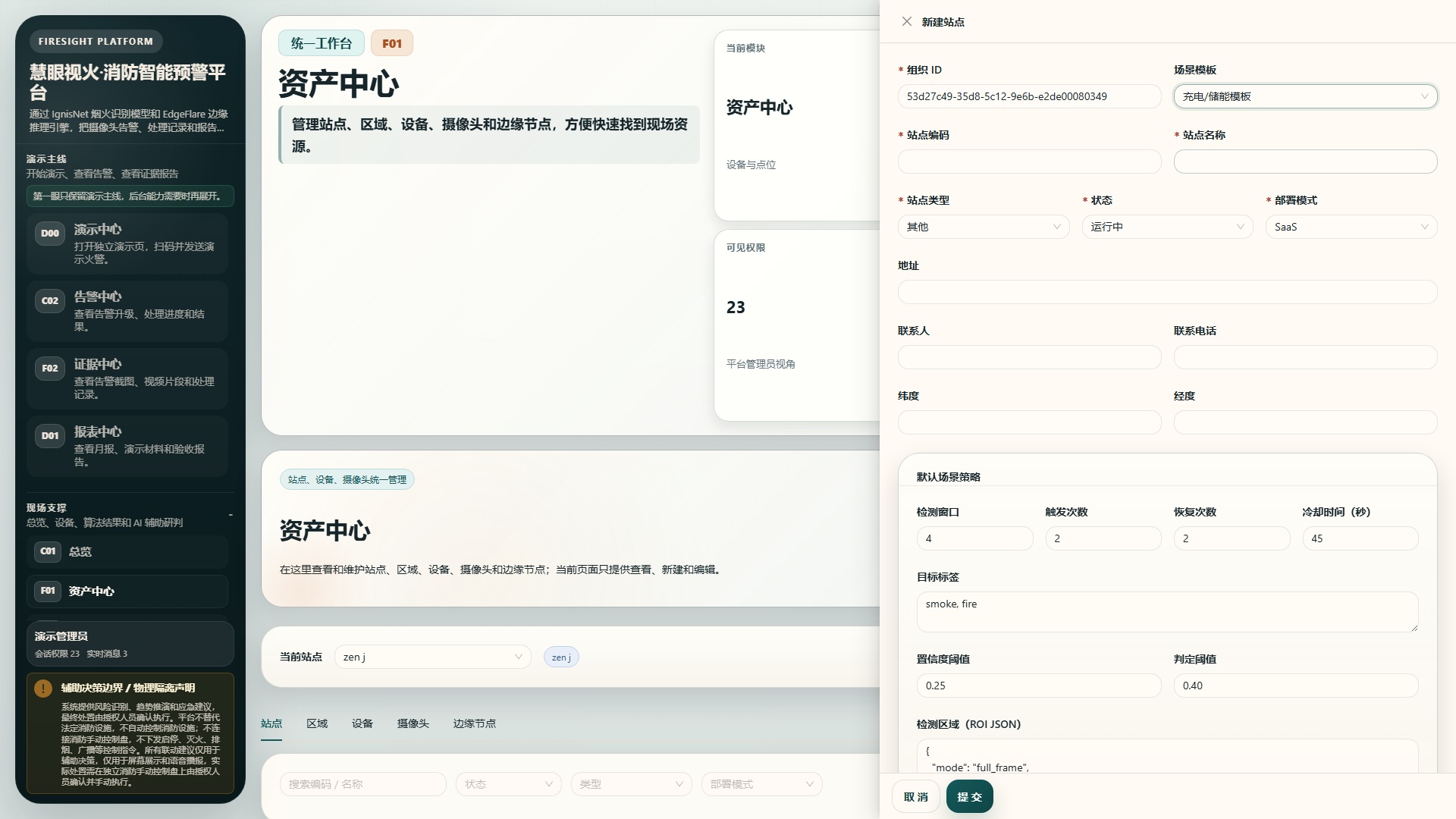
Focuses on early thermal runaway warnings and headlight suppression for more reliable station-level monitoring.
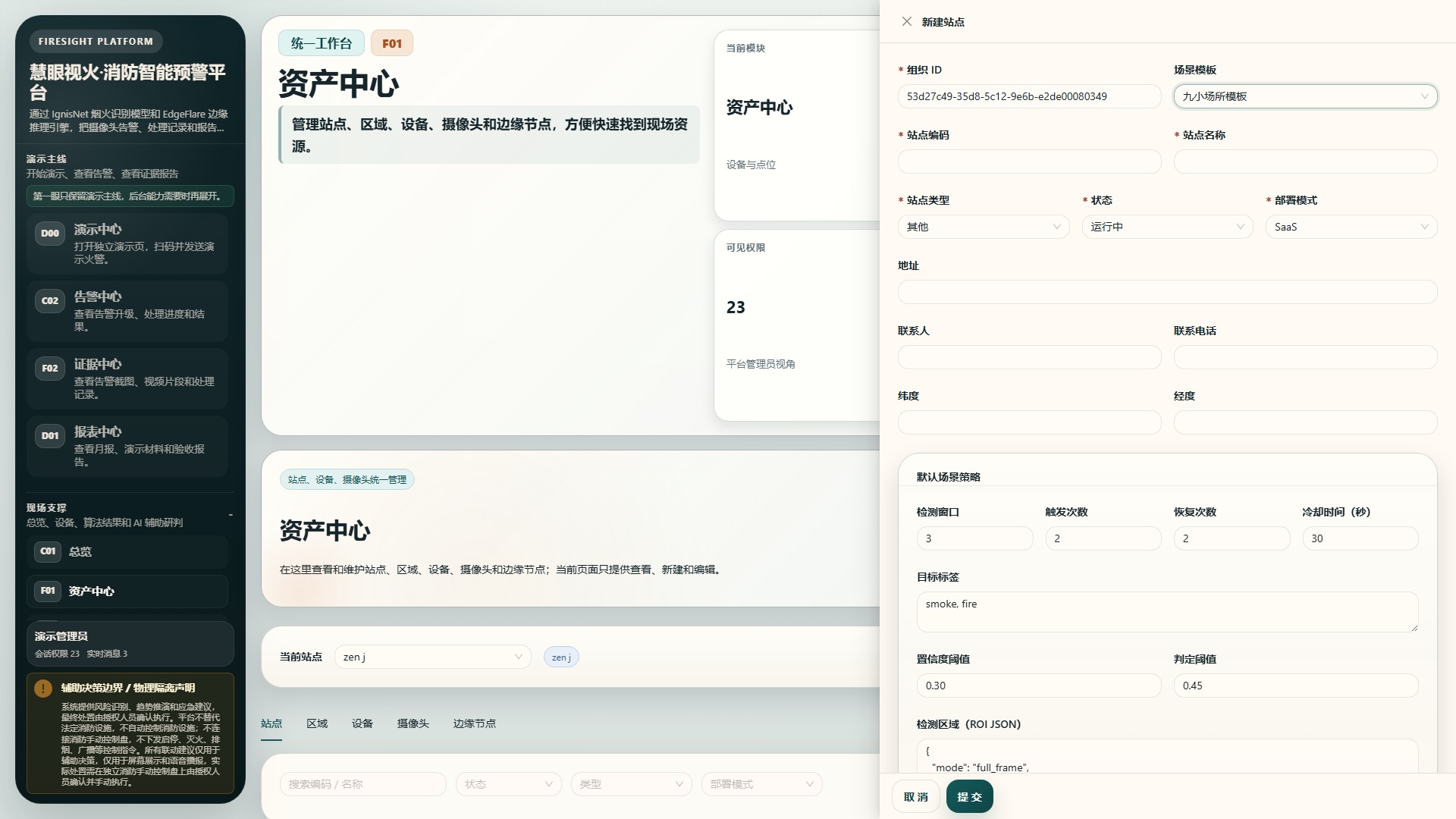
For workshops, timber sites, and small shops where budgets are tight but risk remains real, with an emphasis on affordable deployment.
Beyond standard safety monitoring, we support custom target recognition such as crop maturity (e.g. apple ripeness, pinecone harvest window) and industrial quality checks.
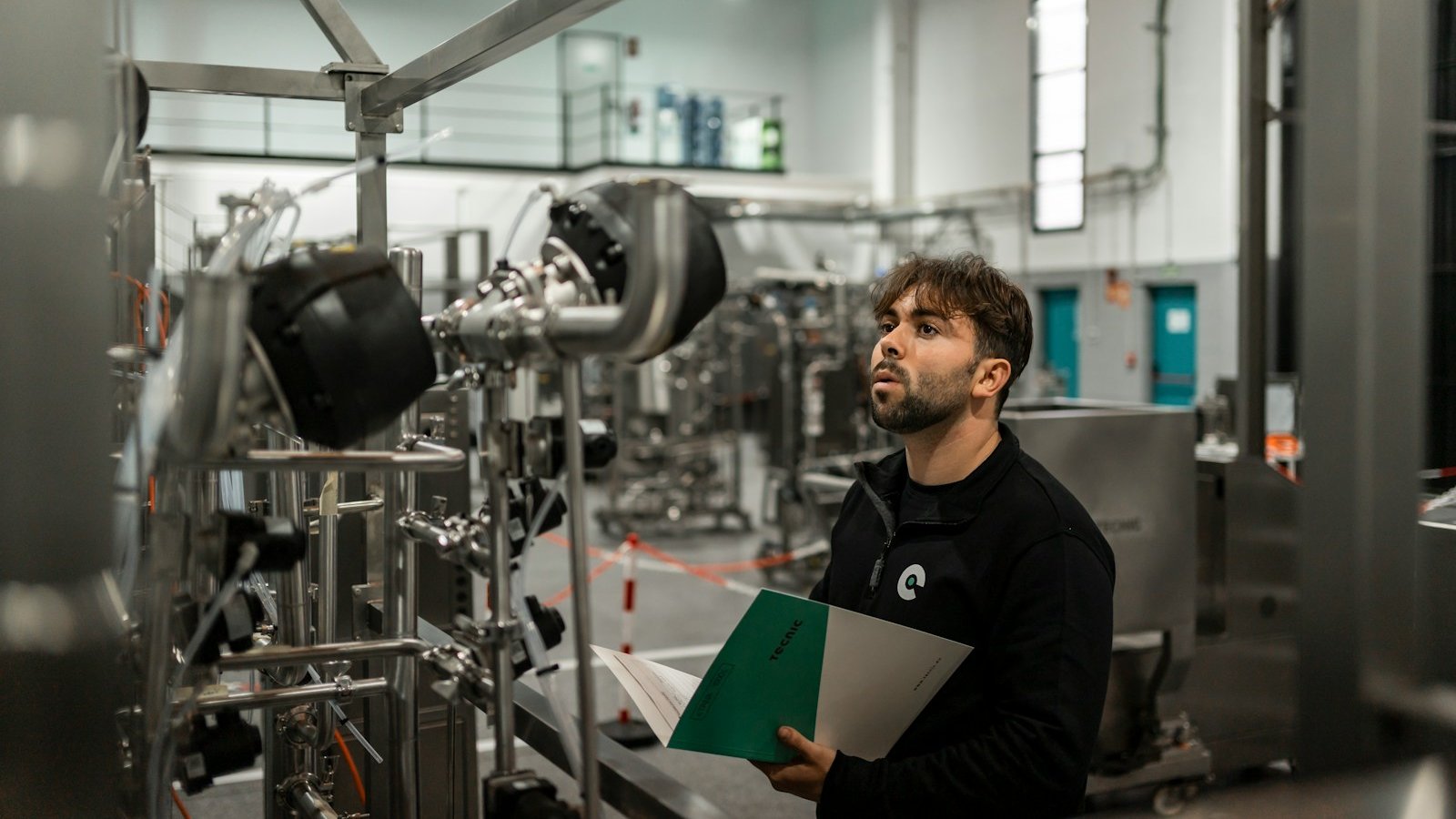
Defect inspection, surface consistency check, and precision tolerance identification, supporting seamless line and MES integration.
Utilizes pose estimation to verify PPE compliance (helmet, harness, goggles), geofence entry, falls, and unauthorized operations.
Tailored recognition for agriculture (e.g. apple ripeness sorting, pinecone harvest window) as well as smart warehousing.
Share your industry, recognition target, and site conditions. We will respond within one business day with an initial feasibility view.